
National Cancer Center Japan – Tokyo Hospital: A Leader in Cancer Treatment, Translational Research, and Comprehensive Care in the Heart of Asia
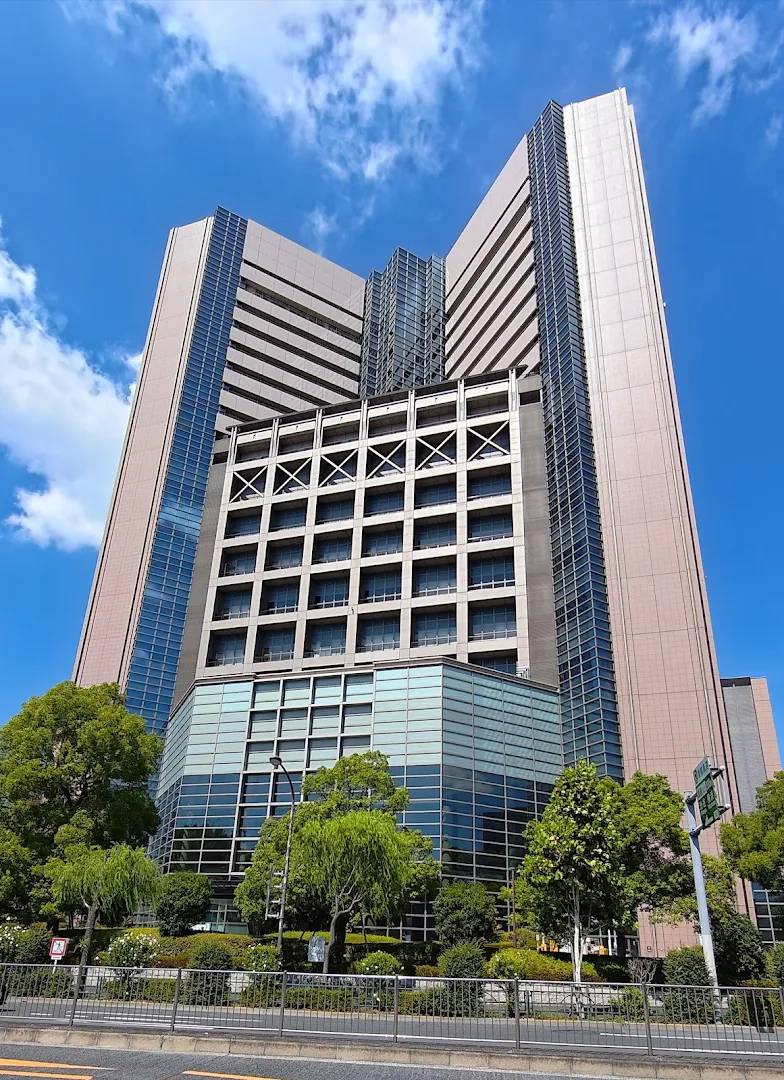
At the forefront of the complex and relentless battle against cancer, the National Cancer Center Japan (NCCJ) stands as the cornerstone of the country’s cancer control policies and one of the world’s leading institutions. The clinical core of this vast center is the Tokyo Hospital, which, through the deep integration of world‑class clinical care, pioneering translational research, and a comprehensive patient support model, offers a unique paradigm of an integrated cancer centre. This hospital acts not only as a treatment facility but also as the driving force behind standardising cancer treatment across Japan and empowering the next generation of cancer specialists.
National Mission and Scale of Impact
The National Cancer Center Japan was established in 1962 by the country’s Ministry of Health and Welfare, with its primary mission being to lead national programmes for cancer treatment, prevention, control, research and education. With more than 4,100 professionals – including 600 physicians and residents, 1,200 nurses, and 300 researchers at its research institute – the centre provides comprehensive clinical services at its two hospitals with approximately 1,000 beds. The role of NCCJ extends far beyond its hospital walls; it hosts the National Cancer Registry and the National Cancer Genomic Medicine Database, and supports 453 cancer institutions across Japan to ensure access to equitable care standards. This national leadership reinforces Tokyo Hospital’s position as the primary recipient and implementer of the latest scientific achievements in the field of oncology.
Clinical Philosophy: Multidisciplinary Approach and Personalised Medicine
Treatment at Tokyo Hospital is built upon the philosophy of patient‑centred multidisciplinary care. For each patient, a Tumour Board – comprising medical oncologists, surgeons, radiation oncologists, radiologists, pathologists and specialised nurses – convenes to conduct a comprehensive case review and formulate an individual treatment plan. This collaboration ensures that all treatment options – from surgery and radiotherapy to the latest pharmaceutical methods – are carefully weighed, and the optimal treatment sequence is designed to achieve maximum efficacy with minimal side effects.
Cancer genomics is the backbone of this personalisation. Through advanced analysis of each individual’s tumour molecular and genetic profile, the medical team is able to:
· Identify specific driver mutations.
· Select the most effective targeted therapies.
· Predict potential response to immunotherapy.
· Detect hereditary cancer susceptibility.
· Guide enrolment in relevant clinical trials.
State‑of‑the‑Art Infrastructure and Advanced Therapies
Tokyo Hospital is equipped with some of the world’s most advanced technologies:
· TrueBeam STx precision external beam radiotherapy system.
· da Vinci Xi surgical robot for minimally invasive surgery.
· Next‑generation hybrid PET/CT diagnostic imaging equipment.
· Specialised oncology intensive care units.
Comprehensive Support Services: Caring for the Whole Patient
Recognising that cancer affects the whole person, the hospital offers a full range of support services:
· Psychological and Spiritual Support: Psychologists and social workers provide counselling to help patients manage stress, anxiety and existential concerns.
· Nutritional Support and Rehabilitation: Nutritionists design personalised dietary plans, and the physiotherapy and occupational therapy team helps maintain the patient’s physical strength and functional independence.
Communication Channels and Admission Process for International Patients
Tokyo Hospital welcomes patients from around the world. However, to ensure the safety and accuracy of critical medical communications, all non‑Japanese‑speaking patients are required to use the services of one of the authorised medical coordinators. These representatives provide not only specialised medical translation but also full visit coordination, document transfer and logistical support.
Authorised Medical Coordinators
· Medical Access Japan: Services in Japanese, Chinese, English, Russian, Korean and Spanish.
· i‑cell Networks: Services in Japanese, Chinese, English, Korean and Vietnamese.
· JTB Medical & Healthcare: Services in Japanese, Chinese, English and Korean.
Costs (including consumption tax)
· Specialist Consultation: 30,000 Japanese Yen per medical unit.
· Second Opinion: 132,000 Japanese Yen.
· Pathology Consultation: 148,500 Japanese Yen (181,500 Yen if additional diagnosis is required).
Centre Address
National Cancer Center Hospital
5‑1‑1 Tsukiji, Chuo‑ku
Tokyo 104‑0045, Japan
Official Website (International Patient Information Section)
https://www.ncc.go.jp/en/about/appointments/index.html
Conclusion: A Global Hub of Excellence in Oncology
Tokyo Hospital of the National Cancer Center Japan is a symbol of the country’s deep commitment to advancing the science and art of fighting cancer. By combining world‑class expertise, advanced research infrastructure, an impactful national network, and a care model that considers all dimensions of human suffering, it has established itself not just as a treatment destination, but as a powerful partner in the challenging journey of cancer patients. Choosing this hospital means choosing access to the frontiers of oncological knowledge and receiving care where dignity, hope and quality of life are at the heart of every therapeutic decision.