
Mayo Clinic, Rochester: The Pioneer of Patient‑Centered Medicine in the Treatment of Brain and Neurological Disorders
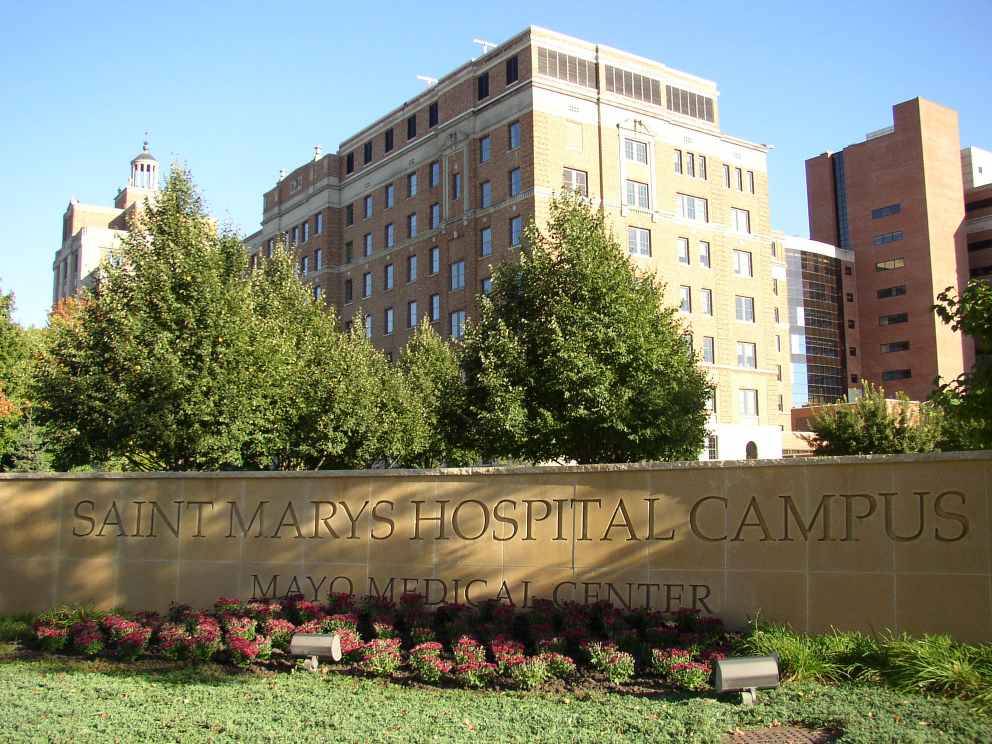
Mayo Clinic in Rochester, Minnesota, is not merely a hospital; it is a world‑leading ecosystem in the science of neurology. Repeatedly recognized as one of the world’s top hospitals for neurology and neurosurgery, this center offers a unique approach: bringing together more than 200 leading specialists across more than 500 different disorders of the nervous system under one roof to design a precise and fully personalized treatment plan for every patient.
This comprehensive report takes an in‑depth look at this global neuroscience hub, its specialist team, and the pathway to accessing its services.
Why Is the Neurology Department at Mayo Clinic Rochester Distinguished?
· Exceptional specialist team: collaboration among more than 200 specialists, including neurologists, neurosurgeons, neuroradiologists, and subspecialists across related fields.
· Breadth of clinical services: diagnosis and treatment of more than 500 neurological conditions, from stroke and rare tumors to epilepsy, multiple sclerosis (MS), ALS, and dementia.
· Integrated research and treatment: rapid translation of laboratory research findings into bedside care through participation in leading clinical trials.
· Integrated, patient‑centered care: a comprehensive perspective and the design of a personalized treatment plan with the involvement of all required specialties in the shortest possible time.
Specialist Team: The Beating Heart of the Center
The Department of Neurology at Mayo Clinic Rochester is led by specialists, each of whom is a recognized authority and pioneer in a specific area of this complex field. Below is a sample of these specialists:
J. Eric Ahlskog, M.D., Ph.D.
· Primary specialty: Movement Disorders
· Description: As a senior neurologist, he focuses on the diagnosis and management of complex conditions such as Parkinson’s disease, essential tremor, and dystonia. His primary role is the precise differentiation of these disorders and the development of the most advanced pharmacological and non‑pharmacological treatment plans.
Allen J. Aksamit, Jr., M.D.
· Primary specialty: infectious and inflammatory diseases of the nervous system.
· Description: A specialist in the diagnosis and treatment of rare and complex infections and inflammatory conditions of the brain and nervous system, such as encephalopathy caused by prion disorders and neurosarcoidosis.
Farwa Ali, M.B.B.S.
· Primary specialty: neurodegenerative diseases and movement disorders.
· Description: Her field of work includes Parkinson’s disease, progressive supranuclear palsy (PSP), corticobasal degeneration, and essential tremor. Among Dr. Ali’s key skills are specialized Botox injections for the treatment of dystonia and the performance of electromyography (EMG).
Samantha A. Banks, M.D.
· Primary specialty: demyelinating and autoimmune inflammatory diseases of the nervous system.
· Description: Her primary focus is the treatment of multiple sclerosis (MS), neuromyelitis optica (NMO), autoimmune encephalitis, and MOG antibody‑associated disease. Her role includes managing immune‑modulating therapies and closely monitoring patients.
Sarah E. Berini, M.D.
· Primary specialty: neuromuscular diseases and peripheral nerves.
· Description: A specialist in the diagnosis and treatment of peripheral neuropathies (diabetic and autoimmune), Guillain‑Barré syndrome, and autonomic neuropathy. Her principal diagnostic tools include electromyography (EMG) and nerve conduction studies (NCS).
Note: These names represent only a small sample of the large community of specialists at this center. Depending on the patient’s condition, care may be delivered by a team that includes a neurologist, neurosurgeon, neuroradiologist, physical medicine and rehabilitation specialist, speech therapist, and neuropathologist in order to create the most comprehensive understanding of the disease.
Contact Information and Appointment Scheduling
Address of the specialized neurology and neurosurgery center – Rochester:
Mayo Clinic – Rochester
200 First St. SW, Eighth Floor
Rochester, MN 55905
United States of America
Main telephone numbers for appointments and information:
· ☎ 507‑284‑2111 (for patients)
· ☎ 507‑284‑1588 (Neurology Appointment Center, Monday through Friday, 8:00 a.m. – 5:00 p.m. Central Time)
For referring physicians:
Referring physicians may contact the Referring Physician Service 24 hours a day, 7 days a week.
· ☎ 800‑533‑1564 (toll‑free) or 507‑284‑8884
Treatment Pathway: From Initial Contact to a Personalized Plan
1. Initial contact: The patient or treating physician contacts the center using the numbers above. A Care Manager registers the initial file and gathers previous medical records.
2. Comprehensive evaluation: The patient is seen within a short time frame (often within a few days) by several relevant specialists. These visits are accompanied by the most advanced imaging methods (such as 7‑Tesla MRI) and specialized testing.
3. Team conference: The specialists meet in a session known as the Diagnostic Conference, where findings are brought together and a consensus is reached.
4. Presentation of the treatment plan: A Coordinating Physician explains the final treatment plan, options, benefits, and risks of each approach in simple language to the patient and family. This plan may include medication, surgery, participation in a clinical trial, rehabilitation, or a combination of these options.
This integrated, patient‑centered process creates a unique treatment experience that is unmatched in many treatment centers around the world.